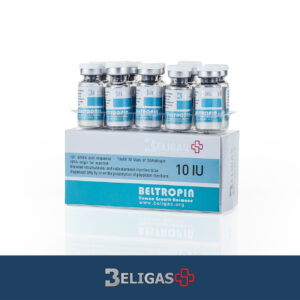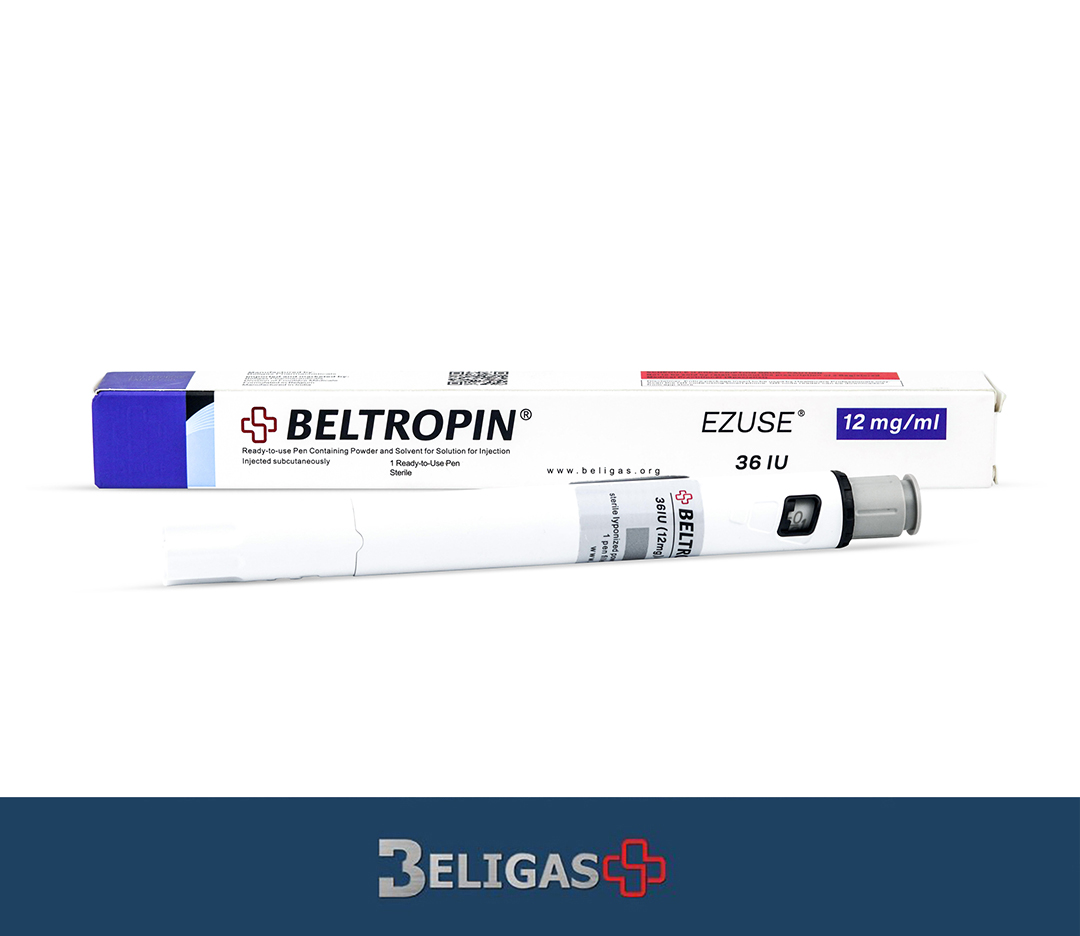
Mechanism of Action
Beltropin works by activating growth hormone receptors throughout the body, which triggers the production of insulin-like growth factor 1 (IGF-1) in the liver. This stimulates protein synthesis, promotes fat utilization for energy, and supports overall metabolism. The result is increased growth and development of muscle and bone tissue, along with potential reduction of body fat.
Indications
Beltropin is prescribed for:
-
Growth hormone deficiency in children and adults
-
Chronic kidney disease
-
Turner syndrome
-
Muscle-wasting conditions associated with HIV/AIDS
It may also be used in anti-aging therapies or by athletes for performance enhancement, though such uses may not be approved by all regulatory authorities.
Contraindications
Do not use Beltropin if you have:
-
Hypersensitivity to any component
-
Active cancer
-
Acute critical illness (e.g., after open-heart surgery, respiratory failure, or severe trauma)
-
Pre-existing intracranial hypertension or diabetic retinopathy
Precautions
Use caution in patients with diabetes, as Beltropin can affect glucose metabolism and insulin sensitivity. Those with hypothyroidism, or who are pregnant or breastfeeding, should consult a healthcare provider. Regular monitoring of blood glucose and thyroid function is recommended.
Drug Interactions
Beltropin can interact with corticosteroids, insulin, and other hormone therapies, potentially affecting their effectiveness. Patients should disclose all medications, supplements, and therapies to their healthcare provider.
Dosage
Dosage is individualized based on medical condition, age, and treatment goals, and should follow a healthcare provider’s guidance.
Storage
Store in the refrigerator and keep out of reach of children.
Regulatory Compliance
Manufactured under Good Manufacturing Practices (GMP) and in accordance with relevant regulatory guidelines.
Safety Information
In case of overdose, seek immediate medical attention. Report any adverse effects to your healthcare provider.