Mechanism of Action
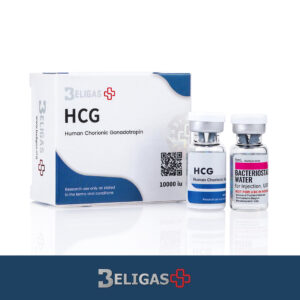
HCG acts in a way similar to luteinizing hormone (LH). In men, it signals the testes to boost testosterone production and support sperm development. In women, it helps trigger ovulation and maintains the corpus luteum during the early stages of pregnancy.
Indications
HCG is prescribed for several conditions, including male hypogonadism, fertility treatment in women undergoing assisted reproductive procedures, undescended testes in children, and in some cases as part of medically supervised weight-management programs.
Contraindications
This medication should not be used by anyone with an allergy to its components, nor by individuals with hormone-dependent cancers such as prostate or certain types of breast cancer. It is also not suitable for patients with early-onset puberty. A full medical evaluation is recommended before starting therapy.
Precautions
People with a history of blood-clotting disorders, liver issues, or kidney problems should use HCG carefully. Routine monitoring may be needed, and patients should be informed about possible side effects and when to seek help.
Drug Interactions
Medicines that affect hormone levels—such as androgens or steroid-based treatments—may interact with HCG. It’s important to tell the prescribing clinician about all medications and supplements currently being used.
Dosage
Adult dosing depends on the condition being treated, generally falling between 5,000 and 10,000 IU given either intramuscularly or subcutaneously. Your healthcare provider will determine the exact schedule needed for your situation.
Storage
Keep the product in a cool, dry place at room temperature and away from light. Store out of reach of children.
Regulatory Compliance
Produced in accordance with applicable regulatory requirements and manufactured following Good Manufacturing Practices (GMP).
Safety Information
If too much is taken, seek urgent medical care. Any unexpected effects or reactions should be reported to a healthcare professional.