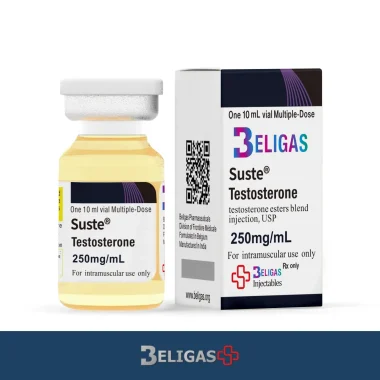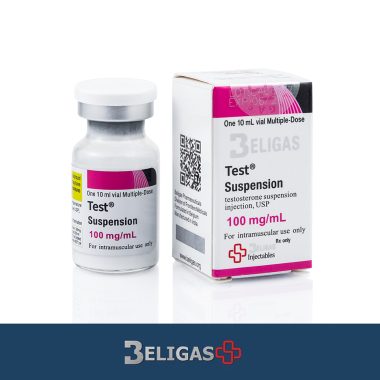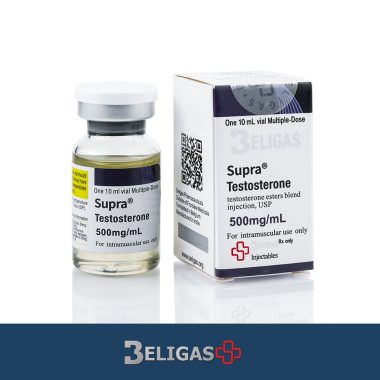
Mechanism of Action
Testosterone works in the body through two primary pathways: activating androgen receptors (either directly or through its metabolite DHT) and converting to estradiol, which then stimulates certain estrogen receptors. Free testosterone enters the cytoplasm of target cells, where it either binds the androgen receptor or is converted by 5-alpha-reductase into dihydrotestosterone (DHT). DHT has a higher binding affinity and is roughly two to three times more potent than testosterone. Once testosterone or DHT binds to the receptor, the complex shifts shape, moves into the cell nucleus, and attaches to specific DNA sequences known as hormone response elements (HREs). This interaction influences gene transcription, creating the physiological effects associated with androgens.
Indications
Testosterone cypionate is prescribed for males with conditions resulting from low or absent natural testosterone production. These include:
• Primary hypogonadism, caused by testicular failure due to issues such as cryptorchidism, torsion, infection, vanishing testis syndrome, or surgical removal of the testes.
• Hypogonadotropic hypogonadism, linked to inadequate gonadotropin or LHRH production, or damage to the pituitary-hypothalamic region from tumors, trauma, or radiation.
Contraindications
This medication should not be used by individuals who are allergic to testosterone or any component of the formulation. It is also contraindicated in men with known or suspected prostate or breast cancer, those with severe urinary symptoms related to benign prostatic hyperplasia, and patients with serious liver disease.
Precautions
Certain health conditions require extra caution before starting testosterone therapy. People with a history of cardiovascular disease—including high blood pressure, heart attack, or stroke—should be monitored closely since testosterone may worsen these issues. Patients with liver or kidney impairment may need additional testing to track changes in organ function. Those with previous blood clots, such as DVT or pulmonary embolism, should be aware that testosterone can increase clotting risk. Routine blood work, including hematocrit and hemoglobin, is recommended to identify abnormalities early. Screening for prostate cancer is advised before beginning treatment because testosterone can stimulate prostate tissue. It’s also important to inform your healthcare provider about all medications and supplements to prevent potential interactions. Any significant mood or behavioral changes should be reported right away.
Drug Interactions
Testosterone cypionate may interact with blood thinners, corticosteroids, and insulin or oral diabetes medications. Use alongside other anabolic agents, hormonal treatments, or drugs that influence liver enzyme activity should be approached with care.
Dosage
For hormone replacement therapy, typical dosing ranges from 50–400 mg administered intramuscularly every 2–4 weeks. The exact dose and schedule depend on individual hormone levels and clinical response, as determined by a healthcare professional.
Injection Technique & Site Care
To ensure safe and comfortable administration:
• Warm the vial slightly before injecting
• Use a sterile 25G–27G needle
• Inject slowly to reduce discomfort
• Gently massage the area afterward
• Rotate injection sites routinely
• Avoid irritated or previously overused areas
• Store the vial upright and avoid shaking
Storage
Keep the product in a cool, dry place at room temperature, away from direct light. Do not refrigerate. Store out of reach of children.
Regulatory Compliance
• Manufactured according to applicable regulatory standards
• Produced under certified Good Manufacturing Practices (GMP)
Safety Information
• Overdose: Seek immediate medical care if an overdose is suspected
• Adverse reactions: Contact your healthcare provider if you experience any unwanted effects
• Prescription medication — use only under the supervision of a licensed medical professional.